
20,40 €
incl. 19% VAT
Robert Schumann: Piano Quartet op. 47, Piano Quintet op. 44
Auryn Quartet, Peter Orth, piano
- TACET Real Surround Sound
- Total playing time (mmm:ss): 67:57
- 5.1 standard channel order: front left – front right – center – subwoofer (not used) – surround left – surround right
- 96 kHz, 24 bit. Format: Flac (lossless)
- Download as zip file. Booklet (English, German, French) and cover images included
- Size: 2.72 GB
- Barcode: 4009850019626
Description
“Take place right in-between the musicians, listen to exquisite and delicately emotional performances of such a beauty that you may feel having arrived in heaven. ” Pizzicato
Audiosample (mp3, stereo)
Booklet
Reviews
You must be logged in to post a review.


Classical CD Choice –
–> original review
There are those who might regard Tacet’s unorthodox recording technique – placing the listener dead centre in the surround sound picture — as something of a gimmick, but once the initial surprise has worn off, the tactic can be regarded as both totally immersive (the listener virtually becomes part of the recording) and, in fact, as musically justified as the separation of the individual instrumental strands allows for a truly balanced and judicious examination of such elements as harmony and counterpoint. That is very much the case with this new recording, but the device would not be defensible unless it worked within the context of such sensitive performances of the Dvorak chamber pieces as those to be found here.
Barry Forshaw
Purchase not verified. Find out more
Pizzicato –
–> original review
In the midst of the musicians, one sits with this surround record. And since the sound is so fine and pure, the music-making so crystal clear and pleasantly musical, the listener feels enveloped in noble, royal attire. Yet, none of this feels artificial; quite the contrary, it’s simply art perfected, the art of making music combined with the art of recording sound. It’s simply sonic truth, an experience even the finest concert hall cannot offer. And that’s precisely what’s needed to bring Dvorak’s Sextet to life in its best conditions and to meet Dvorak’s artistic aspirations. Though steeped in folk music, the Bohemian never copied or arranged; he reinvented and refined. This refinement, this finesse, this sophistication of his music is expressed by the Auryns and their two companions with remarkable aesthetic and emotional precision.
The two terzets, op. 74 and 75a (Bagatelles), in their simple and intimate form, are masterpieces of a very special kind. Dvorak’s emotional world regenerated in them, says his biographer Otakar Sourek. The musicians handle this emotional depth delicately, giving us a heavenly half-hour. Dvorak and the Auryns as world improvers. Thank you for that!
Remy Franck
Purchase not verified. Find out more
sa-cd.net –
–> original review
A most enchanting disc!
Containing Dvorak’s Sextet and his two Terzetto’s for strings, the last being a transcription by the composer himself of the Romantic pieces, the music is wonderfully lyrical and often of a sunny nature. The reading of the Sextet is given in a relaxed manner that one wonders how the players find as much around the notes as they do given the actual tempo is not really so relaxed; the hazards of perception as opposed to reality! One reason that the notes sound completely without a harried character is the spacing of the instruments around the listener for the extra space the surrounding placement affords the ear an ease of picking out all the lines with far greater ease than one would normally hear in concert or in stereo. Swapping between the two layers provides subjective confirmation and although not definitive proof, the playing does acquire a more smiling presence when scattered around the listener.
The playing of the Auryn Quartet and guests is very alluring indeed; there is not a tonal lapse to be heard throughout any of the three works. Their phrasing is very natural sounding, balancing the longer line with the more immediate phrasing exquisitely. Their skill of playing the Romantic Pieces arrangement is so successful that one rarely (if ever) misses the extra range of tessitura that the piano brings. Indeed, so well played is this account that this listener is tempted to supplant this version in his affections from that of the original. The dynamic range of the players is judged carefully so as to not transform “simple”, folk-inspired, music into high Romantic drama and the overall effect is to calm the soul. I found this delightful but there may be some who prefer a bit more zest in the faster movements; each approach can be enjoyable when done well & so it proves to be here.
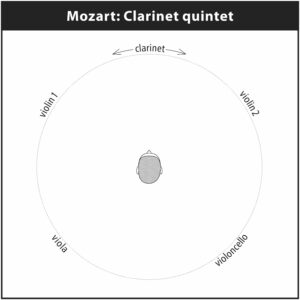
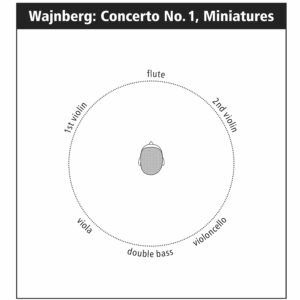
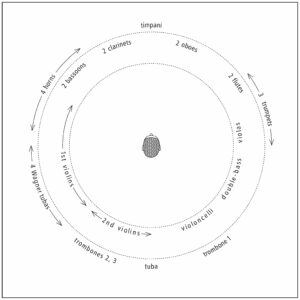
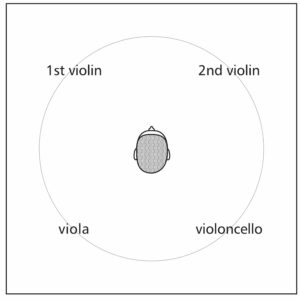
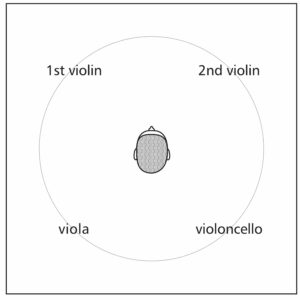
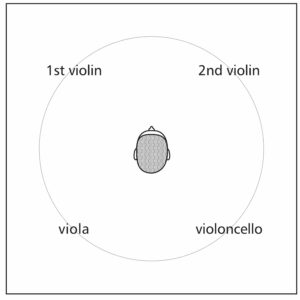
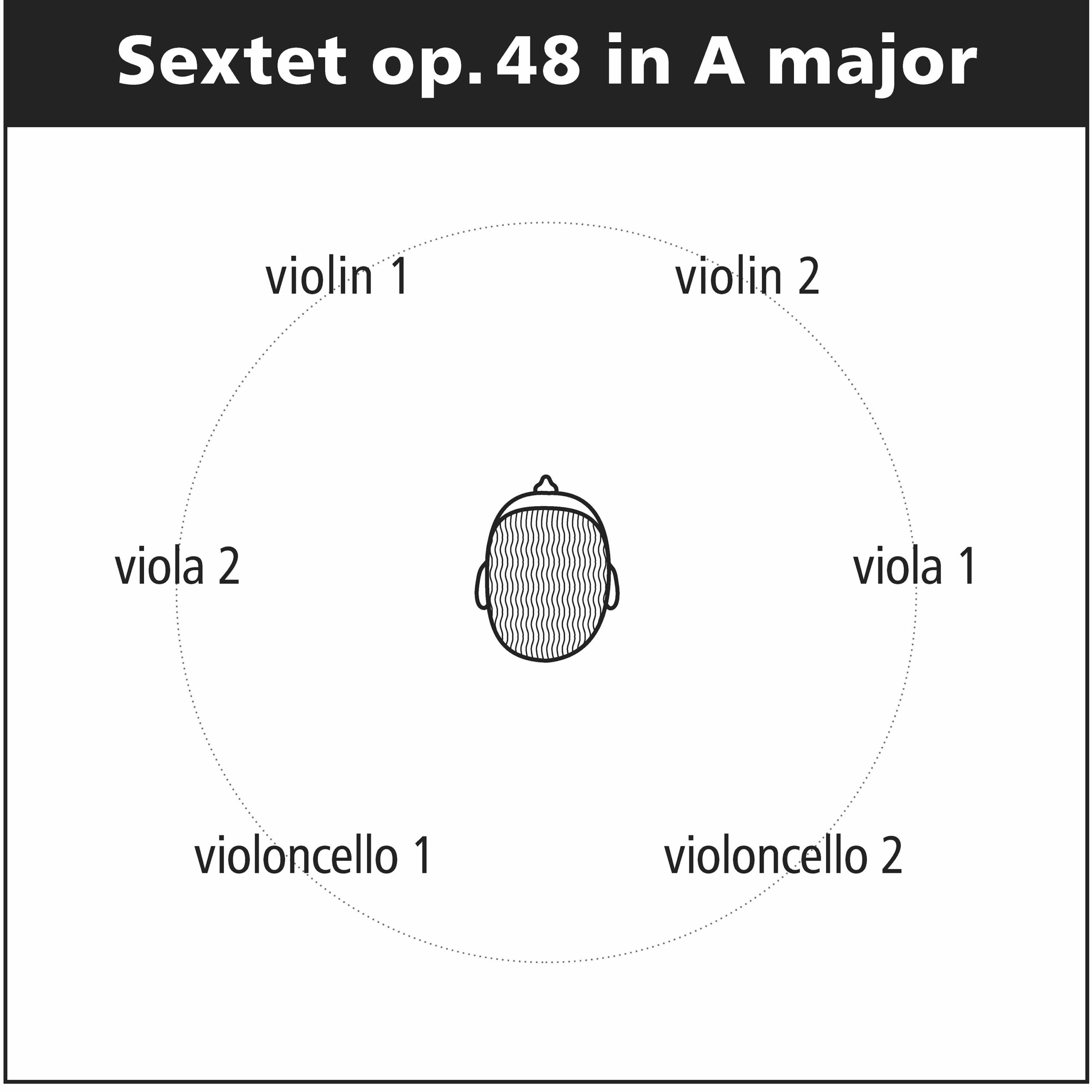
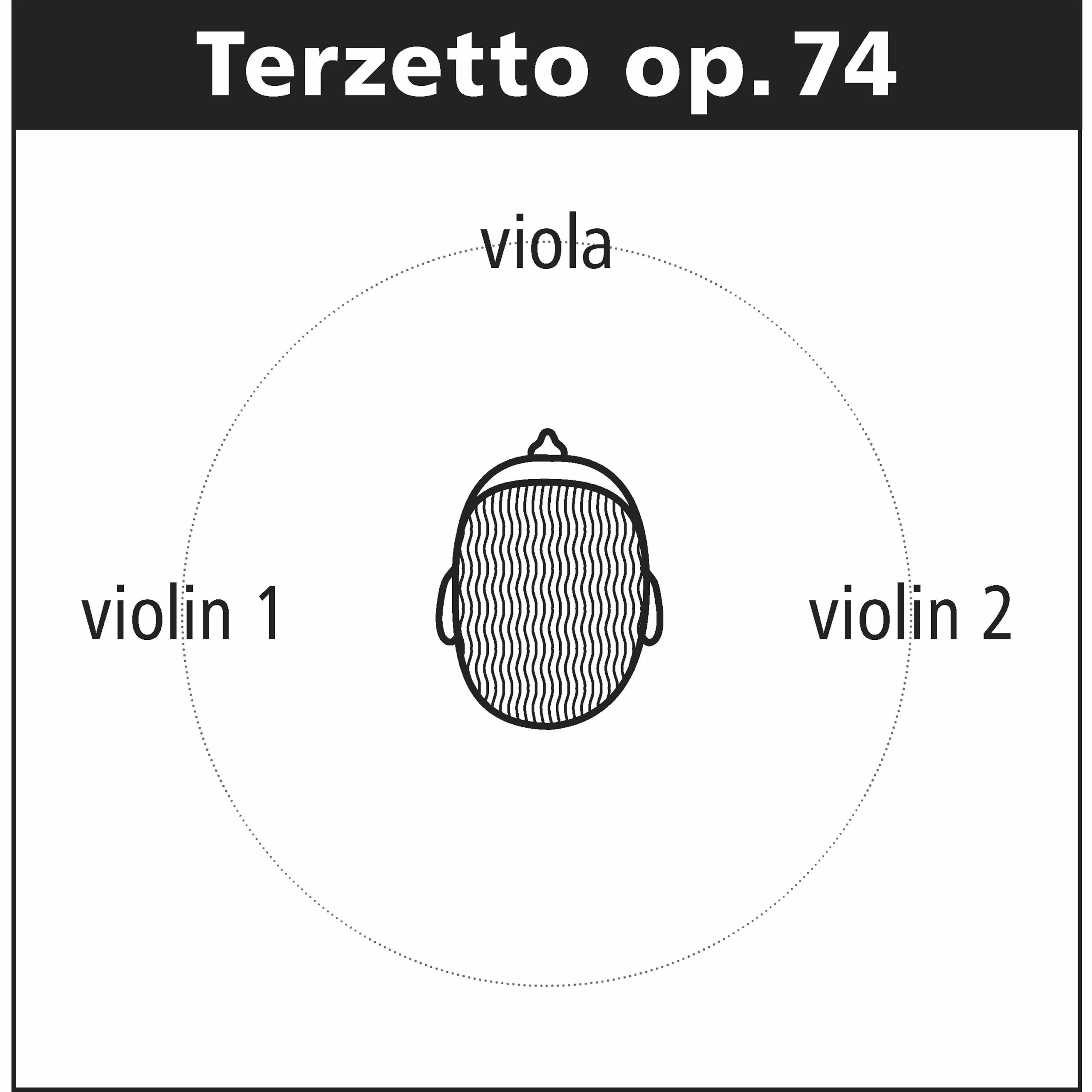
In terms of actual placement when listening in surround, which this listener found to be highly effective, the layouts of three works are as follows:
Sextet: Violin 1/2 (in front of listener), Viola 2/1 (beside the listener), Cello 1/2 (behind the listener)
Terzetto Op. 74: Viola (in front), Violin 1/2 (beside the listener)
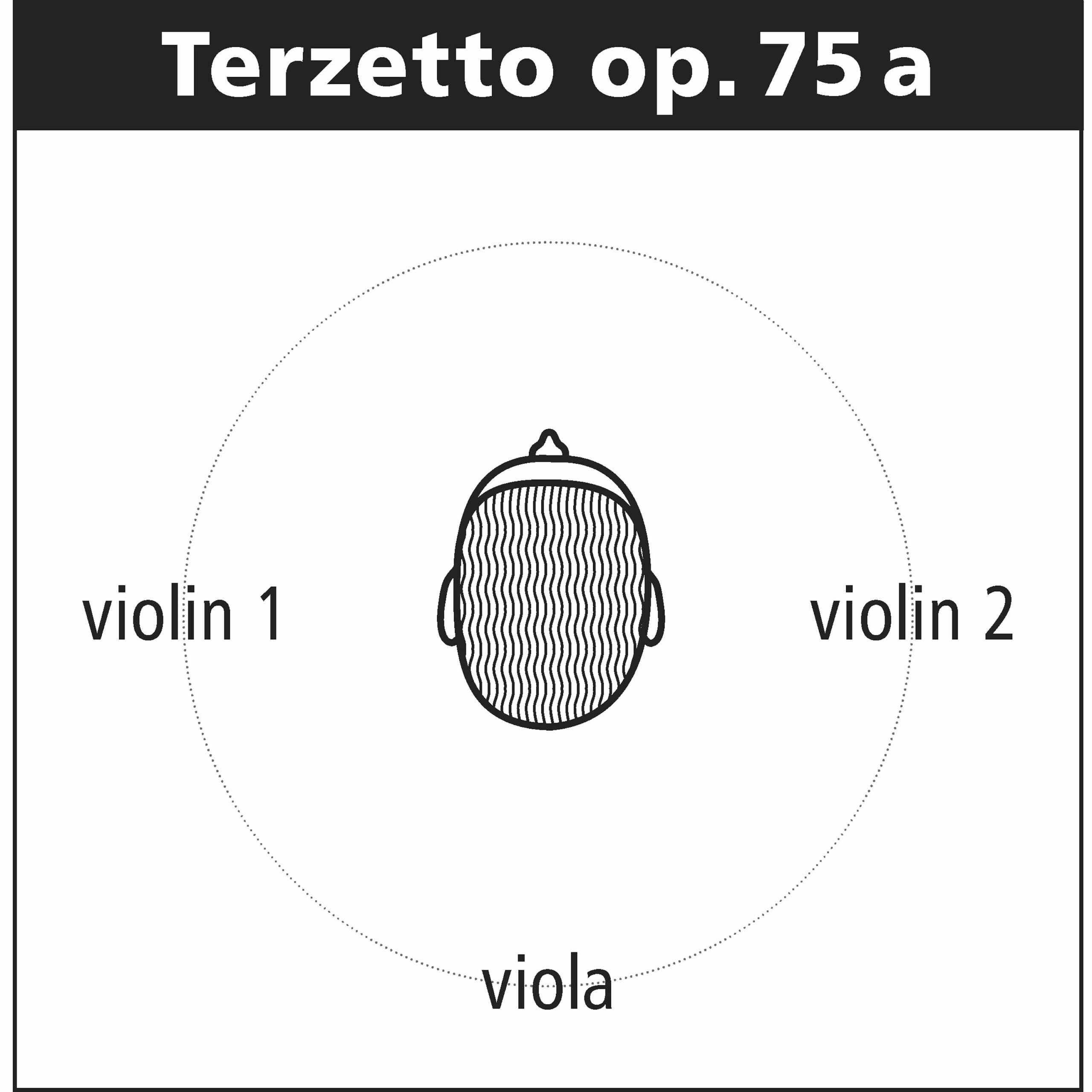
Terzetto Op. 75a: Violin 1/2 (beside the listener), Viola (behind)
In terms of timbre the Tacet sound is highly revealing (there are only good things here to reveal, fortunately!) and the mind revels in the textures as they are spun around the head.
Highly recommended.
John Broggio
Purchase not verified. Find out more
The Huffington Post –
–>original review
Meltingly beautiful Dvorak in glorious performances by the Auryn Quartet (…). Tacet’s audiophile sound, whether you’re outputting to Surround Sound or Stereo, makes it even more sybaritically worthwhile.
Laurence Vittes
Purchase not verified. Find out more
Ensemble 03/2013 –
(…) A delightfully light listening experience. (…) These “Drobnosti” – as Dvorák called his miniatures – are as refined as they are delicate, especially when played with such tenderness.
Anja Renzikowski
Purchase not verified. Find out more
Klassik heute –
–> original review
The author of the informatively dense introduction hits the nail on the head with the general problem of the “simple Bohemian musician” Antonín Dvorák. According to what we read, he, by virtue of his excellent craftsmanship, for example, in the first movement of the Sextet op. 48 from 1878, “subtly expanded a regular sonata form in every nook and cranny so that melodies and sound effects can repeatedly unfold luxuriously.” This is the considerate, euphemistic description of a situation that we can observe time and again with the natural talent from Nelahozeves: a tendency, namely, to chatter away, to treat beauties so long until they are perceived even in the very last row, and to repeat stories so often that the enchantment gradually turns into a disturbance. If this excessive indulgence had only shown itself in the stormy youth – in the completely unplayable and simply unbearable first cello concerto, for example, or in the full-length String Quartet No. 3 – then there would be nothing more to say about it. But especially in the present case of the truly extremely beautiful Sextet, and here again above all in the fourteen-minute Allegro moderato, the lovable “storyteller” cannot bear to part with his delightful inspirations to such an extent that it becomes difficult for the performers to realize the intended “luxurious unfolding.” The more concise, “succulent” humor of the Dumka and the fire of the lively Furiant fan us with clearer air before the concluding variations, with their dense textures, attempt to balance the beginning of the work and once again run the risk of doing a tad too much of a good thing.
Therefore, the two additional terzets for two violins and viola are all the more delightful: the “House Music” from the year 1887, in which Christian Altenburger, who had just been working on the second viola, takes the lead in the first, appear to me to be much more balanced, mature if you will, and definitely subtler than the massive, expansive, nearly ten-year-older Opus 48; the emotional depth, the delicate beauties of the individual voices, and finally, the almost ethereal serenity of the Elegy that concludes the second terzet – these are narratives in which the craftsman’s skill is perfectly harmonized with substance, making the achievements of the musicians involved in each performance far more precisely and profoundly appreciated than in the preceding colossal painting. As expected from Tacet, the recording quality is impeccable, as only a pure string ensemble can be.
Rasmus van Rijn
Purchase not verified. Find out more
BR-Klassik –
–> original review
(…) the Auryn Quartet, augmented by the violinist Christian Altenburger and the cellist Patrick Demenga, brings Dvoøák’s melodies to life, without ever forgetting for a moment how densely and cleverly this music is composed. In the wonderfully warm sound of this excellent CD, it’s a great pleasure.
Bernahrd Neuhoff
Purchase not verified. Find out more
Fipps Magazin –
Playing chamber music by Antonín Dvořák is not easy. One must find the right balance between rusticity and refinement, between folkloric tone and transparency. The Auryn Quartet, reinforced by Christian Altenburger (viola) and Patrick Demenga (cello), situates its interpretation of Dvořák’s Sextet in A major, Op. 48 precisely between these poles, delighting with sensual tone, seamless ensemble playing, and a rich variety of colors. Similarly, in the case of the two terzets, Op. 74/75a, Matthias Lingenfelder (Vl. 1), Jens Oppermann (Vl. 2), and Stewart Eaton (viola) bring Bohemia closer: sweetly melancholic, but never kitschy.
Georg Rudiger
Purchase not verified. Find out more
hifi & records –
(…) Brahms, with two string sextets of his own, perhaps something like the “inventor” of this genre, expressed about Opus 48: “It is infinitely beautiful (…) This wonderful invention, freshness, and beauty of sound.” One can only agree with that. Hardly any other chamber music work, except for Schubert’s “Trout Quintet,” is both so catchy and so magnificently composed. Already on the second listening, one finds oneself humming along. But the more one concentrates, the more apparent it becomes how artfully the “quite simple Bohemian musician” (Dvořák on Dvořák) built it. Ideal interpreters would have to perform so transparently that the structure of the music and the interplay of the voices are illuminated as if by light. But it would also be essential to have a touch of orchestral quality, indeed outright: a certain collective force and a touch of Slavic flair. Six are more than four – that must be heard! The Auryn Quartet and its prominent guests play with composure and warmth, with an eye for detail as well as for the big picture. At the moment, I cannot imagine a more perfect recording.
Heinz Gelking
Purchase not verified. Find out more
klassik.com –
–> original review
(…) This recording is a real treasure trove for all Dvořák fans, as it offers “grand sounds” in a small ensemble. This impression is rounded off by a meticulously crafted booklet.
Purchase not verified. Find out more
Pizzicato –
OPTIMAL EFFECT
The Auryn Quartet and its two guests realize a concept in these recordings that is one hundred percent successful and fully does justice to the three works, indeed, they bring them to life wonderfully.
That in their concern for tonal elegance, crystal-clear playing, and interpretive refinement, the Bohemian element and emotional depth are not neglected, speaks volumes about an exceptionally outstanding intelligence in interpretation. The musicians track the rapidly changing moods in the first movement of the Sextet, Op. 48, with the responsiveness of a seismograph.
The terzet for two violins and viola, Op. 74, becomes a small gem, oscillating fascinatingly between contemplation and vigor. Here, as well as in Op. 75a, known as one of the ‘Romantic Pieces’ in Dvořák’s own arrangement for violin and piano, a purity of poetry, at times even of cantabile and sweetness of sound, is achieved that is truly touching.
The very natural and balanced sound contributes to the optimal effect of the music, projecting nothing less than reality from the speakers.
Rémy Franck
Purchase not verified. Find out more
Pizzicato –
OPTIMALE WIRKUNG
The Auryn Quartet and its two guests realize a concept in these recordings that is one hundred percent successful and fully does justice to the three works, indeed, they bring them to life wonderfully.
That in their concern for tonal elegance, crystal-clear playing, and interpretive refinement, the Bohemian element and emotional depth are not neglected, speaks volumes about an exceptionally outstanding intelligence in interpretation. The musicians track the rapidly changing moods in the first movement of the Sextet, Op. 48, with the responsiveness of a seismograph.
Das Terzett für zwei Violinen und Viola op. 74 wird, mit einer faszinierenden Balance zwischen Nachdenklichkeit und Elan pendelnd, zu einem kleinen Juwel. Hier wie auch im Opus 75a, das als eines der ‚Romantischen Stücke‘ in Dvoráks eigener Bearbeitung für Violine und Klavier bekannt wurde, wird eine Reinheit von Poesie und streckenweise von Kantabilität und sogar Klanglieblichkeit erreicht, die wirklich berührend ist.
The very natural and balanced sound contributes to the optimal effect of the music, projecting nothing less than reality from the speakers.
Rémy Franck
Purchase not verified. Find out more
Stereo –
Audiophiles Highlight des Monats
Two bars are enough for Antonín Dvořák to enchant his listeners. With a melody that smoothly enters the ear without being clumsy, unmistakably exuding Bohemian charm. Enchanting! (…)
So, by all means, grab it if this magnificent piece is not yet represented in your CD collection! Because the Auryn Quartet and its two guests – Christian Altenburger and Patrick Demenga – manage to blend musical joy and Bohemian revelry with precision and clarity.
Lushness without excess is the recipe for success. (…)
Marcus Stäbler
Purchase not verified. Find out more
Ensemble –
(…) Even better are the string trios, as the smooth melodiousness of the Terzetto in C major gets a surprising spatial acoustics. The austere timbre in the Terzetto in B major even has physical qualities, as if the tones can be felt up close. Therefore, this audiophile album is a discographic reference.
Hans-Dieter Grünefeld
Purchase not verified. Find out more
Ensemble –
(…) Even better are the string trios, as the smooth melodiousness of the Terzetto in C major gets a surprising spatial acoustics. The austere timbre in the Terzetto in B major even has physical qualities, as if the tones can be felt up close. Therefore, this audiophile album is a discographic reference.
Hans-Dieter Grünefeld
Purchase not verified. Find out more
Klassik heute –
In addition to systematically exploring the string quartet repertoire, members of the Auryn Quartet also venture into neighboring territories, often seeking the support of colleagues – such as pianist Peter Orth for piano quartets and quintets. This time, it’s violinist Christian Altenburger (heard here on viola) and cellist Patrick Demenga who complement the quartet to form a sextet. This creates a select lineup for Dvořák’s Op. 48, the A major Sextet, which was composed in 1878 in close temporal proximity to the first set of Slavonic Dances. In this work, Dvořák – not only in the movements labeled “Dumka” and “Furiant” – increasingly draws on elements of national folklore. The performance carefully preserves the characteristic balance between chamber music treatment and luxurious sonic development in this piece. Nine years later, Dvořák composed the Terzetto for Two Violins and Viola, Op. 74 in C major, which, as a scherzo, again contains a Furiant and presents both technical and musical challenges. Similarly, though somewhat simpler in style, are the enchanting Drobnosti, Op. 75a, also known as “Romantic Pieces” in Dvořák’s own arrangement for violin and piano. The poetic miniatures are presented here in their original form for two violins and viola with great sensitivity and expressiveness – a delight for the listener and a model for the amateur who wishes to attempt them.
Nine years later, Dvořák composed the Trio for Two Violins and Viola, Op. 74, in C major, which was intended more for his own personal use; like the Scherzo, it features a Furiant and is quite demanding both technically and musically. In the same vein—albeit somewhat simpler in style—are the enchanting Drobnosti, Op. 75a, also known as “Romantic Pieces” in Dvořák’s own arrangement for violin and piano. These poetic miniatures are presented here in their original form for two violins and viola with great sensitivity and expressiveness—a delight for the listener and a model for the amateur who wishes to try his hand at them.
Sixtus König
Purchase not verified. Find out more
Klassik heute –
Neben der systematischen Erkundung des Streichquartett-Repertoires tummeln sich die Mitglieder des Auryn-Quartetts auch immer wieder auf benachbartem Terrain, wobei sie gerne die Unterstützung durch Kollegen – etwa den Pianisten Peter Orth für Klavier-Quartette und -Quintette – in Anspruch nehmen. Diesmal sind es der Geiger Christian Altenburger (hier an der Bratsche zu hören) und der Cellist Patrick Demenga, die das Quartett zum Sextett ergänzen. Das ergibt eine erlesene Besetzung für Dvoráks op. 48, das 1878 in unmittelbarer zeitlicher Nähe zum 1. Heft der Slawischen Tänze entstandene A-Dur-Sextett, in dem Dvorák – nicht nur in den mit „Dumka“ und „Furiant“ bezeichneten Mittelsätzen – verstärkt auf Elemente nationaler Folklore zurückgreift. Die Wiedergabe wahrt sorgfältig das für dieses Werk charakteristische Gleichgewicht zwischen kammermusikalischer Verarbeitung und schwelgerischer Klangentfaltung.
Mehr für den (eigenen) Hausgebrauch komponierte Dvorák neun Jahre später das Terzett für zwei Violinen und Viola op. 74 C-Dur, das als Scherzo wiederum einen Furiant enthält und sich technisch wie musikalisch durchaus anspruchsvoll gibt. Auf gleicher Linie liegen – wenn auch etwas schlichter gehalten – die bezaubernden Drobnosti op. 75a, die auch unter dem Titel „Romantische Stücke“ in Dvoráks eigener Bearbeitung für Violine und Klavier bekannt sind. Die poetischen Miniaturen werden hier in ihrer ursprünglichen Gestalt für zwei Violinen und Viola sehr sensibel und ausdrucksvoll dargeboten – eine Freude für den Nur-Hörer und ein Vorbild für den Dilettanten, der sich selbst daran versuchen möchte.
Sixtus König
Purchase not verified. Find out more
Hessischer Rundfunk, hr2-Kultur –
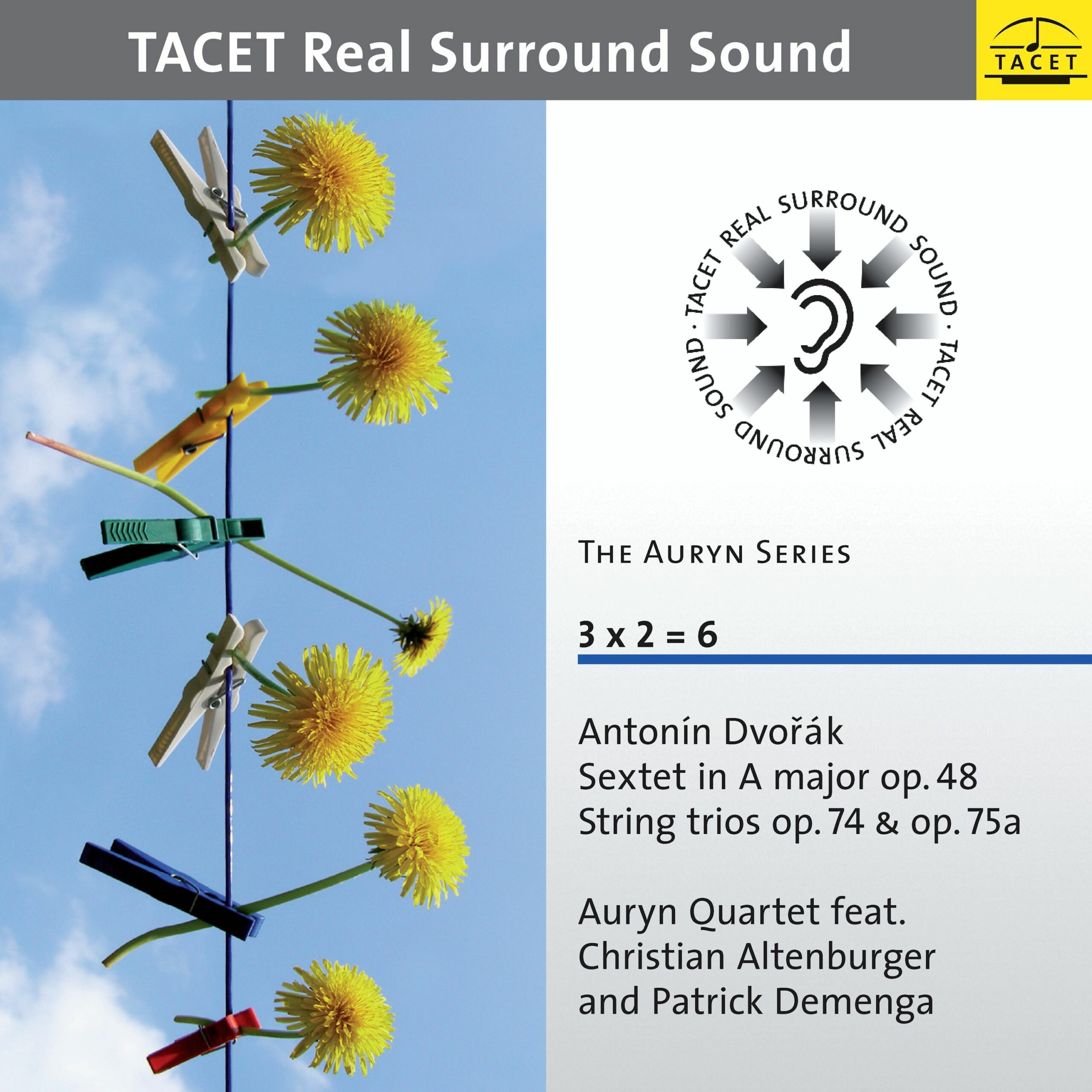
The Auryn Quartet, founded in 1981, chose its name after the Auryn amulet from Michael Ende’s “The Neverending Story” – the amulet of the Empress of Fantasia, which gives wings to intuition and can fulfill wishes. In Michael Ende’s book, the boundary between fantasy world and reality becomes permeable. And we also wonder if this amulet might indeed exist – the four string players of the Auryn Quartet seem to possess it. Over the course of 30 years of playing together, their musical intuition has grown and matured together like a fine wine. And this year, in its thirtieth year of existence, the Auryn Quartet has given itself and us a gift with its recording of Antonin Dvorak’s string trios and the String Sextet in A major, Op. 48. Christian Altenburger, viola, and Patrick Demenga, cello, complement the quartet in the Sextet. On their new Dvorak CD, the musicians pair the String Sextet with two string trios, giving the CD the title: 3 x 2 = 6. Two trios and one sextet. While mathematically correct, this does not necessarily correspond to the sonic impression. Because a trio sounds like more than just half a sextet. Warm and silky, yet always transparent, the sound of the Auryn Quartet has been described. This applies to the present recording of Dvorak’s music: the two string trios, Op. 74 and 75, and the String Sextet in A major, Op. 48, united on the new CD of the Auryn Quartet titled: 3 times 2 equals 6, our CD recommendation today on hr2 kultur.
On their new Dvořák CD, the musicians pair the string sextet with two string trios, giving the album the title: 3 x 2 = 6. Two trios and a sextet. While this is mathematically correct, it doesn’t necessarily reflect the musical impression. After all, a trio sounds like more than just half a sextet.
Warm and silky, yet always transparent—that is how the sound of the Auryn Quartet has been described. This also applies to this recording of Dvořák’s music: the two string trios, Op. 74 and 75, and the String Sextet in A major, Op. 48, brought together on the Auryn Quartet’s new CD titled 3 mal 2= 6, our CD recommendation today on hr2 kultur.
Maria Hertweck
Maria Hertweck
Purchase not verified. Find out more
Hessischer Rundfunk, hr2-Kultur –
The Auryn Quartet, founded in 1981, chose its name after the Auryn amulet from Michael Ende’s “The Neverending Story” – the amulet of the Empress of Fantasia, which gives wings to intuition and can fulfill wishes. In Michael Ende’s book, the boundary between fantasy world and reality becomes permeable. And we also wonder if this amulet might indeed exist – the four string players of the Auryn Quartet seem to possess it. Over the course of 30 years of playing together, their musical intuition has grown and matured together like a fine wine. And this year, in its thirtieth year of existence, the Auryn Quartet has given itself and us a gift with its recording of Antonin Dvorak’s string trios and the String Sextet in A major, Op. 48. Christian Altenburger, viola, and Patrick Demenga, cello, complement the quartet in the Sextet. On their new Dvorak CD, the musicians pair the String Sextet with two string trios, giving the CD the title: 3 x 2 = 6. Two trios and one sextet. While mathematically correct, this does not necessarily correspond to the sonic impression. Because a trio sounds like more than just half a sextet. Warm and silky, yet always transparent, the sound of the Auryn Quartet has been described. This applies to the present recording of Dvorak’s music: the two string trios, Op. 74 and 75, and the String Sextet in A major, Op. 48, united on the new CD of the Auryn Quartet titled: 3 times 2 equals 6, our CD recommendation today on hr2 kultur.
Auf ihrer neue Dvorak-CD stellen die Musiker dem Streichsextett zwei Streichtrios an die Seite und geben der CD den Titel: 3 x 2 =6. . Zwei Trios und ein Sextett. Was mathematisch richtig ist, korrespondiert aber nicht unbedingt mit dem Klangeindruck. Denn ein Trio klingt nach mehr als nach einem halben Sextett.
Warm und seidig, dabei immer durchsichtig, so ist der Klang des Auryn Quartetts beschrieben worden. Das gilt auch für die vorliegende Einspielung der Musik Dvoraks: der beiden Streichtrios op. 74 und 75 und des Streichsextetts A-Dur op. 48, vereint auf der neuen CD des Auryn-Quartetts mit dem Titel: 3 mal 2= 6, unserem CD-Tipp heute in hr2 kultur.
Maria Hertweck
Purchase not verified. Find out more
Audiophile Audition –
(…) The Auryn Quartet members find gracious complements – especially in the soaring duets between first violin and first cello–in the talents of Christian Altenburger and Patrick Demenga. The interior movements – a swaggering Dumka in 5/4 that broadens to a sweet lullaby in the middle section, and a virile Furiant – have been characterized as “a picture-postcard for Czechoslovakia.” Razor-sharp intonation and blistering attacks make the Furiant a keeper. The lovely finale takes a theme introduced by Viola I and develops five inventive variations, several pointing to the Symphonic Variations, Op. 78. In the fourth variation we hear echoes from the nocturne section of Smetana’s The Moldau. The culminating stretta and whirlwind coda achieve the symphonic dimension the sextet medium promises in the hands of Romantic masters. Recorded in Honrath in November 2010, the engineering by Andreas Spreer is top-flight.
Gary Lemco
Purchase not verified. Find out more
Deutschlandfunk –
(…) Therefore, Dvořák’s music is actually accessible and comprehensible for everyone. And yet, it does not deserve the accusation of being simplistic or even banal. Because even though the leading melodic line inevitably draws our attention, there is much more beneath the surface. Dvořák knows how to build complex structures. From seemingly simple elements, he constructs something multifaceted. In this new recording, the voices can be easily tracked, acoustically separated from each other. No clouds of sound obstruct the view of the musical events; rather, the recording provides an analytical approach. But don’t worry! Therefore, Dvořák’s Sextet does not sound austere or bone-dry here. The musicians of the Auryn Quartet and their two guests, Christian Altenburger on viola and cellist Patrick Demenga, know how to prevent that through their playing: With the concentrated strength of six string instruments, they produce a full, rich sound, sometimes closer to orchestral than chamber music. There is also a certain casualness inherent in the playing of the six. Not sloppiness, not at all, but a looseness and sovereignty that is already present in the musical material. The expanded Auryn Quartet makes the music spring and swing, surrendering to gravity with punctuations and legato bowings. A true master is someone who can reduce means and demands and still produce good music. Of course, this can also be seen in the Sextet, but it becomes even clearer in the two terzets. These two seemingly small works are the great discovery on the new record of the Auryn Quartet and its guests. For the Sextet, Christian Altenburger and Patrick Demenga had been added. It’s very sympathetic that for the terzets, they don’t limit themselves to the quartet musicians again, but let Christian Altenburger play first violin in the C major terzet. They all give Dvořák’s music the appropriate sound: lean and cultivated, never too heavy, and never letting the folkloric passages sound either coarse or cloying. Not only the compositions but also their interpretation is a discovery.
Anyone who can simplify the means and the demands while still producing fine music is a true master. Of course, this is evident in the string sextet as well, but it becomes all the more clear in the two terzetti. These two seemingly minor works are the great discovery on the new recording by the Auryn Quartet and its guests. Christian Altenburger and Patrick Demenga were invited to join them for the sextet. It’s very commendable that they didn’t limit themselves to the quartet musicians for the terzetti, but instead let Christian Altenburger play first violin in the C major terzetto. They all give Dvořák’s music the right sound: lean and refined, never overdoing it, and ensuring the folk passages sound neither coarse nor saccharine. Not only the compositions, but also their interpretation is a revelation.
Maja Ellmenreich
Purchase not verified. Find out more