17,10 €
incl. 19% VAT
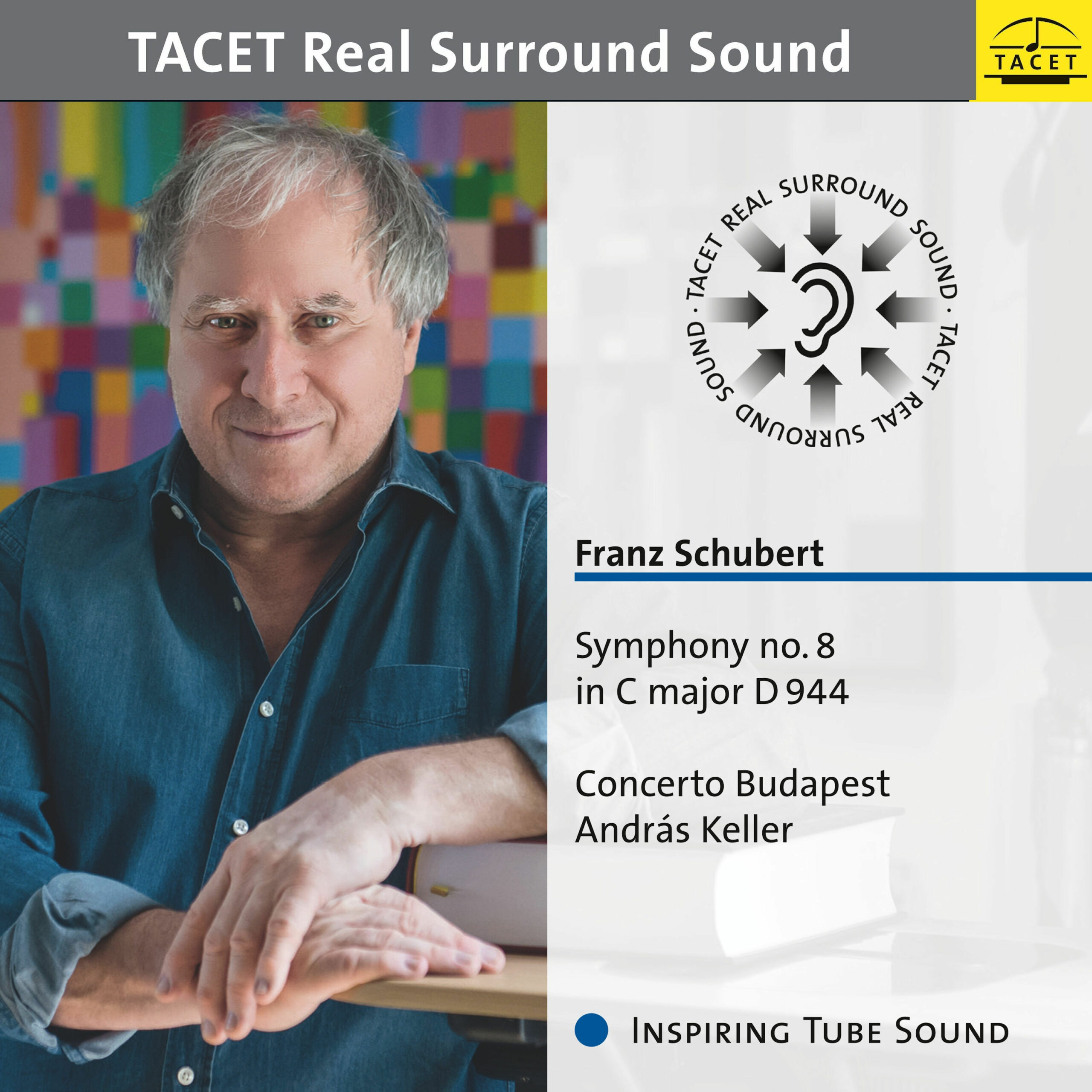
Franz Schubert: Symphony no. 8 in C major D 944
Concerto Budapest, Andràs Keller
- TACET Real Surround Sound
- Total playing time (mmm:ss): 57:08
- 5.1 standard channel order: front left – front right – center – subwoofer (not used) – surround left – surround right
- 96 kHz, 24 bit. Format: Flac (lossless)
- Download as zip file. Booklet (English, German, French) and cover images included
- Size: 2,31 GB
- Barcode: 4009850025023
Description
A romantic horn melody from the distance is taken up by the woodwinds, continued by the cellos and violas, takes hold of the entire orchestra and leads into an exuberant, lively Allegro.
Seemingly so simple everything and yet highly complex. And also the interpretation seems effortless despite all finesses, hair-raising technical difficulties, despite all discussions about styles of interpretation. – Who cares? Without resistance we surrender to this flow of melodies, harmonies, coldness gives way to warmth, and willingly forget for an hour all struggle and cramp around us.
Audiosample (mp3, stereo)
Booklet
Reviews
You must be logged in to post a review.


Klassik heute –
Artistic quality: 10 out of 10
Sound quality: 10 out of 10
Overall impression: 10 out of 10
–> original review
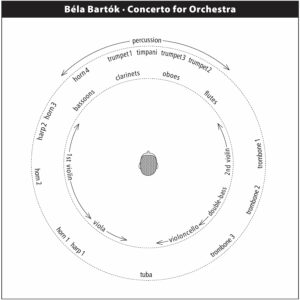
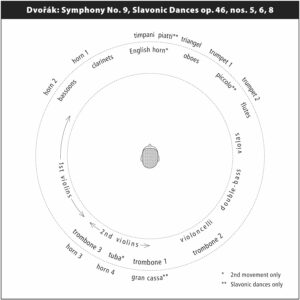
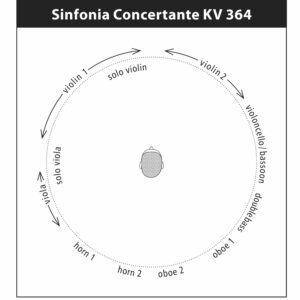
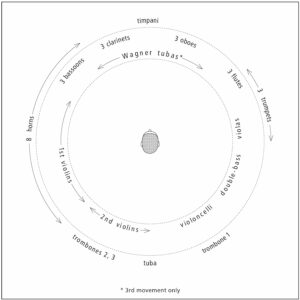
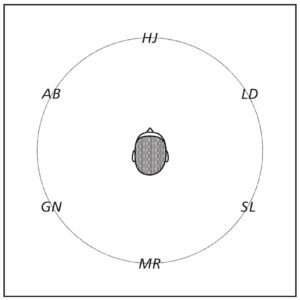
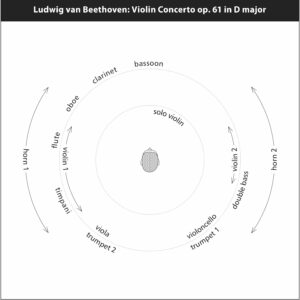
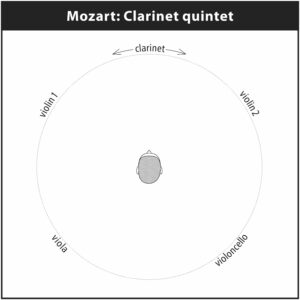
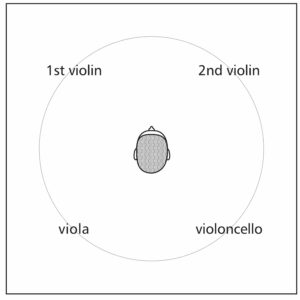
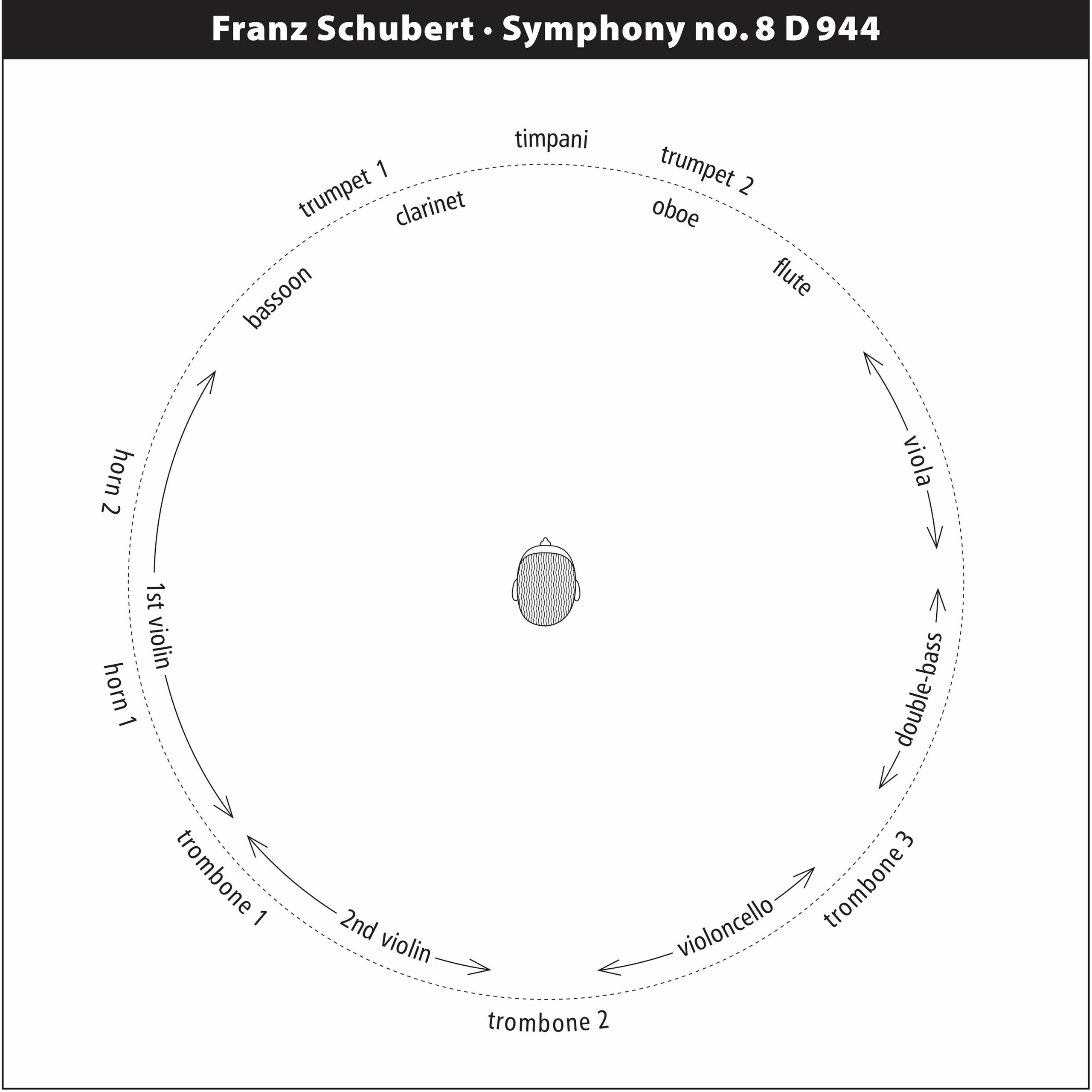
Ohne die Kunst des Dirigenten András Keller und seines Concerto Budapest schmälern zu wollen: Der eigentliche Star dieser Aufnahme der Großen C-Dur-Symphonie von Franz Schubert ist die Aufnahmetechnik, hier als „5.1 Version Real Surround Sound“ bezeichnet. Im Booklet ist eine Grafik, die das Hörerlebnis veranschaulicht: Der Hörer sitzt in der Mitte aller Orchesterinstrumente, die ringsum angeordnet sind. Und so fühlt man sich auch: inmitten des Orchesters, inmitten des Klanggetöses wie im Auge des Orkans. Der Klang kommt von hinten, von vorne, von allen Seiten und wirkt deswegen bisweilen etwas gewaltsam. Aber man hört wirklich alle einzelnen Instrumentengruppen, hört, wie das Punktierungs-Motiv alle Instrumentengruppen bestimmt, hört selbst die feinsten Geigen-Pizzicati, hört die immer latent Gefahr verkündenden Posaunen, spürt fast körperlich die schneidenden Trompetenstöße und die sprudelnde Motorik im Scherzo. Und man hört voller Bewunderung, wie Schubert bewandert ist in der Kunst der Orchestrierung und der Kunst der instrumentalen Kolorierung – obwohl er seine Symphonie nie gehört hat.
A continuous mood of departure—indeed, of upheaval
Wolfram Steinbeck writes in the “Schubert Handbook” about this symphony: “It is no exaggeration to say that Schubert’s Great C Major Symphony is the new symphony, a symphony in spite of Beethoven, at the same time the first important symphony after Beethoven. With it begins…a new age: the epoch of Romantic symphonic music.” András Keller confirms this statement with his interpretation. There is always a mood of departure here, indeed often turmoil and productive unrest, never mere idyll. The famous initial horn call resounds mysteriously as if from far away, after an initially calm development, the restless and seething, dangerous restlessness begins with the eternally punctuating theme, which – away from the possibly leisurely prancing tempo – steadily increases in excitement until the final stretta. Through the recording technique, one hears exactly how the double-bass notes in their accompanying figure always tumble down as if into the Orkus, one really feels the first tutti strokes of the orchestra as violent blows. The Concerto Budapest shines there with pinpoint accuracy of the tutti and with balance of the instrumental groups.
March into the new musical era
Even the wandering motif in the second movement does not seem wanderlusting in the accompaniment, but somewhat nervous; the tutti entries come like thunderclaps, which then also make the lyrically flowing middle section seem fragile and endangered, and which seems to ascribe a warning function to the horn call, reminiscent of the opening movement. All this is then confirmed by the cuttingly garish winds, which lead to the cataclysmic breakdown with relentlessly repeated diminished seventh chords. One hears and feels the almost Brucknerian dimensions of the Scherzo. The finale is not a “storm run,” as many of András Keller’s colleagues rush more tempestuously toward the end, but vibrating with finale-lust it nevertheless remains and it goes or marches inexorably forward, forward into the new age apostrophized by Wolfram Steinbeck.
Rainer W. Janka
Purchase not verified. Find out more
Classical CD Choice –
–> Original Rezension
While the Tacet label is most noted for its ambitious surround sound capabilities (that’s to say actual surround sound with every channel available to SACD equipment utilised to the full; essentially, the listener is put in the centre of the orchestra), this notion would go for nothing if it were not matched by performances of style and substance that do service to the music. That is very much the case with this latest take on Schubert’s C Major masterpiece, here given an urgency that — while it may not be to every taste — makes for a truly exhilarating listening experience.
Barry Forshaw
Purchase not verified. Find out more
Rondo. Das Klassik & Jazz Magazin –
(…) it is a youthful, urgent interpretation of Schubert’s last completed symphony, bursting with positive energy, which impressively confirms the unrestrained joy of playing and the high level of this orchestra, which is hardly known in our country.
Attila Csampai
Purchase not verified. Find out more
Pizzicato –
-> original review
Joyful Schubert from Budapest
Schubert’s Ninth has long been surrounded by conductors with a more or less pronounced air of mysticism. Published posthumously, the work with its ‘heavenly lengths’ was treated with appropriate respect, with much lyricism and dignified grandeur. For some years now one has been hearing much fresher and, above all, faster performances, as in this new version by Andras Keller, who completely dusts off the symphony.
With bristling brass, agilely bright string sound and lively wood, he achieves exciting dynamics without ever letting the music become merely nervous. Keller is able to convincingly express the predominantly joyful character of this symphony with much enthusiasm. I very much like the sad and wistful mood in the first movement after the great breakdown followed by a grand pause. The virtuoso finale is also splendid, completely without evoking heavenly lengths, but with a brio and a play of colors that inspire.
The transparency of the orchestral sound in the Real Surround sound is another very positive feature of this new Tacet recording.
Remy Franck
Purchase not verified. Find out more