
28,50 

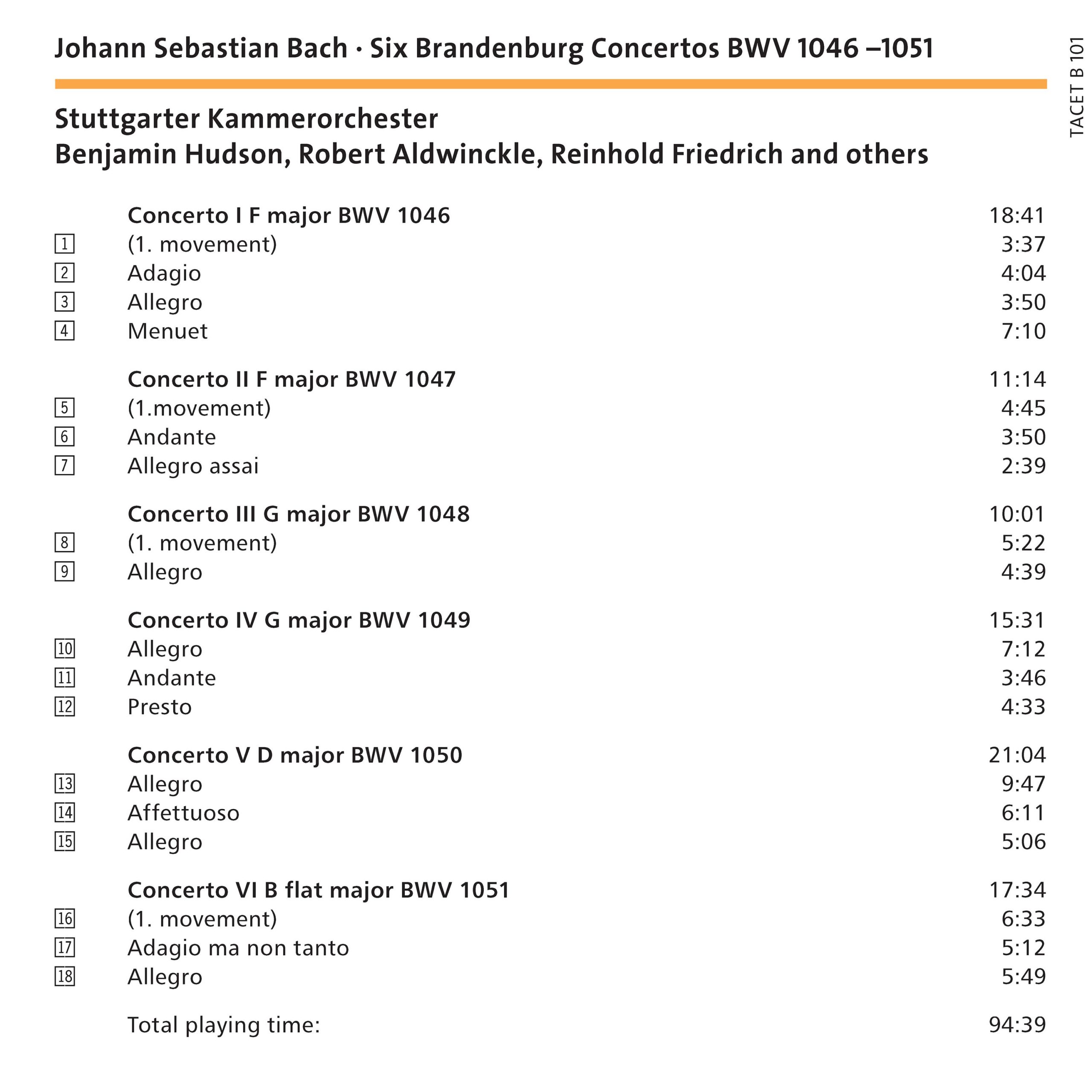
Johann Sebastian Bach: Six Brandenburg Concertos BWV 1046-1051. Complete Edition
Stuttgarter Kammerorchester

  • Total playing time (mmm:ss): 94:39
  • 5.1 standard channel order: front left – front right – center (not used) – subwoofer (not used) – surround left – surround right
  • 96 kHz, 24 bit. Format: Flac (lossless)
  • Download as zip file. Booklet (English, German, French) and cover images included
  • Size: 3,04 GB
  • Barcode: 4009850010128

Also available: Bach Concertos vol. 2 played by Stuttgarter Kammerorchester

Description

“A triumph of surround sound recording. Whatever the woes of the classical recording industry, listeners can evidently continue to count on small, creative labels to come through with choice new offerings. One such company, the German label Tacet, seems to specialise in the extraordinary, in terms of both performance and recorded sound. (…) Many listeners may wonder if they really need another recorded set of the Brandenburgs (…). The answer is: yes, there is always room in any collection for a disc like this one.” Bangkok Post

“(…) Combine these gorgeous performances with the opportunity of literally being inside the 6 Brandenburgs in surround sound and you have a most remarkable listening experience. (…)” Audiophile Audition

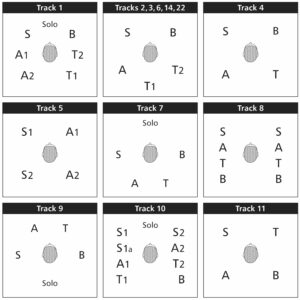
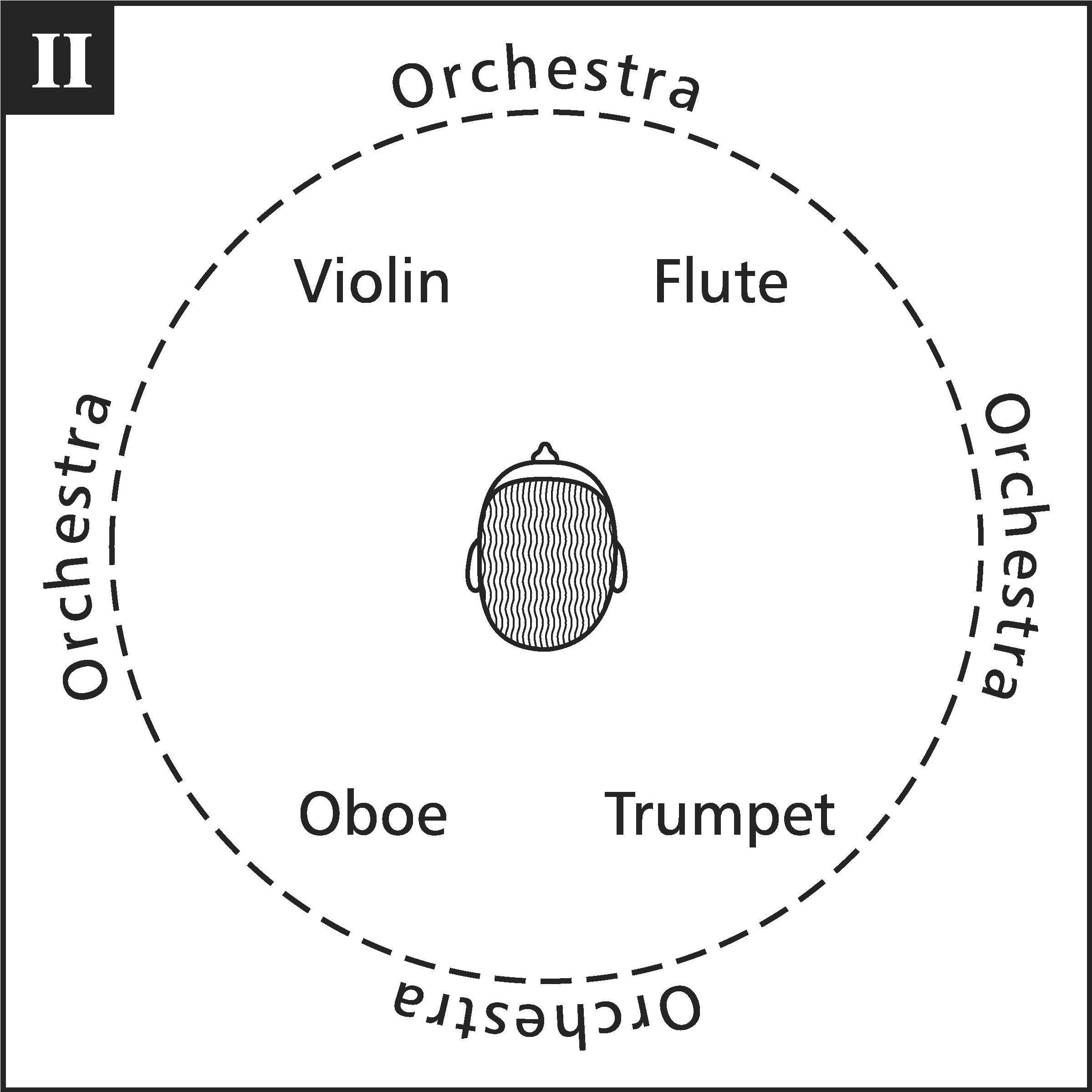
“The Bach Brandenburg concertos are given outstanding performances by the Stuttgart Chamber Orchestra which apparently plays without conductor. There are diagrams in the booklet that show instrument placement for each concerto (i.e. for Concerto No. 2 the trumpet is rear right, the oboe rear left, flute front right and violin front left, with the remainder of the orchestra on the sides). This recording utilizes only four channels which provide a totally satisfying listening experience. (…)” classicalcdreview.com

“The Stuttgart performers display a highly attractive balance of authentic performance practice, faster tempi and a generally more fun approach to the concertos. They are aided by cleaner, crisper, higher resolution sonics that really put you into the middle of the performing ensemble. The label′s slogan is Real Surround Sound and they mean it – the surrounds are not limited to subtle hall ambience here at all. This release gives me a much greater appreciation for the DVD-A format than I previously had.” Audiophile Audition

Audiosample (mp3, stereo)

Booklet

Reviews

  1. Classical CD Choice

    TACET’s unique recordings of Bach’s Brandenburg Concertos by the Stuttgart Chamber Orchestra have already been released on SACD as a two-disc. The re-release of all six concertos on a single Blu-ray audio disc with a playing time of 94′ 39” minutes will be a tempting prospect for those who admire TACET’s philosophy of placing the listener at the centre of the performance and utilising the full capabilities of multi-channel sound.

    These Stuttgart performances were originally recorded in 2000 and first issued, I believe, in the now virtually defunct DVD-A format disc before release on SACD and now Blu-ray audio. Choice between multi-channel (default) and stereo layers is made using respectively the red or yellow buttons on the player’s remote control. Though the information on the disc case states ‘TACET Real Surround 5.1′ it is in fact 4.1 as there is no use of the centre channel.

    The recordings were made in the small baroque church in the village of Gönningen in Baden-Wurttemberg whose clear acoustic suits these works perfectly. Five different instrumental layouts are used and the benefit each of these bring to the clarity of Bach’s contrapuntal writing is immense. The ear can focus on individual instrumental lines with ease while at the same time the overall body of sound remains coherent. These accounts of the Brandenburgs from the superb Stuttgart Chamber Orchestra are unfailingly excellent. They perform on modern instruments, but with the addition of a harpsichord engagingly played by Robert Aldwinckle. These are in no way ‘old-fashioned’ – tempi are brisk but not frenetic, and the various members of the orchestra communicate a sense of absolute technical confidence and refinement of tone.

    Some will miss the bright sound of recorders in the 4th Concerto but the crisp and beautifully articulated playing of the two flautists, Natalie Schwaabe and Andreas Schmidt, is a delight. There are countless versions of these joyous masterpieces on record – performed in widely different interpretative styles and utilising varying degrees of scholarship – to suit every taste. Those, however, who are unconvinced by the sounds of some of the more adrenalin-fuelled, wiry and acidulous sounding period groups in these works – where all too often displays of virtuosity take precedence over more lasting musical values – should find this disc a most refreshing alternative.
    Graham Williams

    Purchase not verified. Find out more

  2. Audiophile Audition

    –> original review

    This was reviewed by Ronald Legum both on SACD and DVD-Audio way back in 2005. He, a complete “Brandenburg junkie” as he says, liked it quite a bit—I might like them even better. These are stylish, energetic but not manic, and beautifully played and recorded (in 2000, actually). We reviewed a DVD-Audio version as well, though I did not hear that one.

    Unfortunately, this is 4.0 surround, not 5.1. When I first heard it I thought my other speakers were out, so I double-checked and fixed the connections again—no luck. So I put on another recently recorded Blu-ray 5.1 audio, and sure enough the middle speaker came to life! Tacet offers only limited options in setup, and after listening to the disc several times, the 5.1 just ain’t there. [The “Real Surround Sound” refers to the surround channels not being just rear ambience, but carrying specific instruments so that the chamber orchestra really surrounds you…Ed.]

    Aside from the misleading blurb about the sound however, I still find the 4.0 perfectly satisfying and excellently enveloping, and can’t imagine the 5.1 being much better, so for that alone and the spectacular performances I still give it five stars. But—if you have the SACD don’t run out for this one as you might be disappointed. But one way or another, get these marvelous readings. [This one is unusual in that the Blu-ray is actually cheaper than the SACD—usually it’s the other way around. It is because the 94-min. length allows a single disc (also on the DVD-A version) whereas the SACD version requires two. Also, we have consistently found the SACD version to sound slightly superior to the Blu-ray if they don’t sound identical…Ed.]
    Steven Ritter

    Purchase not verified. Find out more

  3. Pizzicato

    –> original review

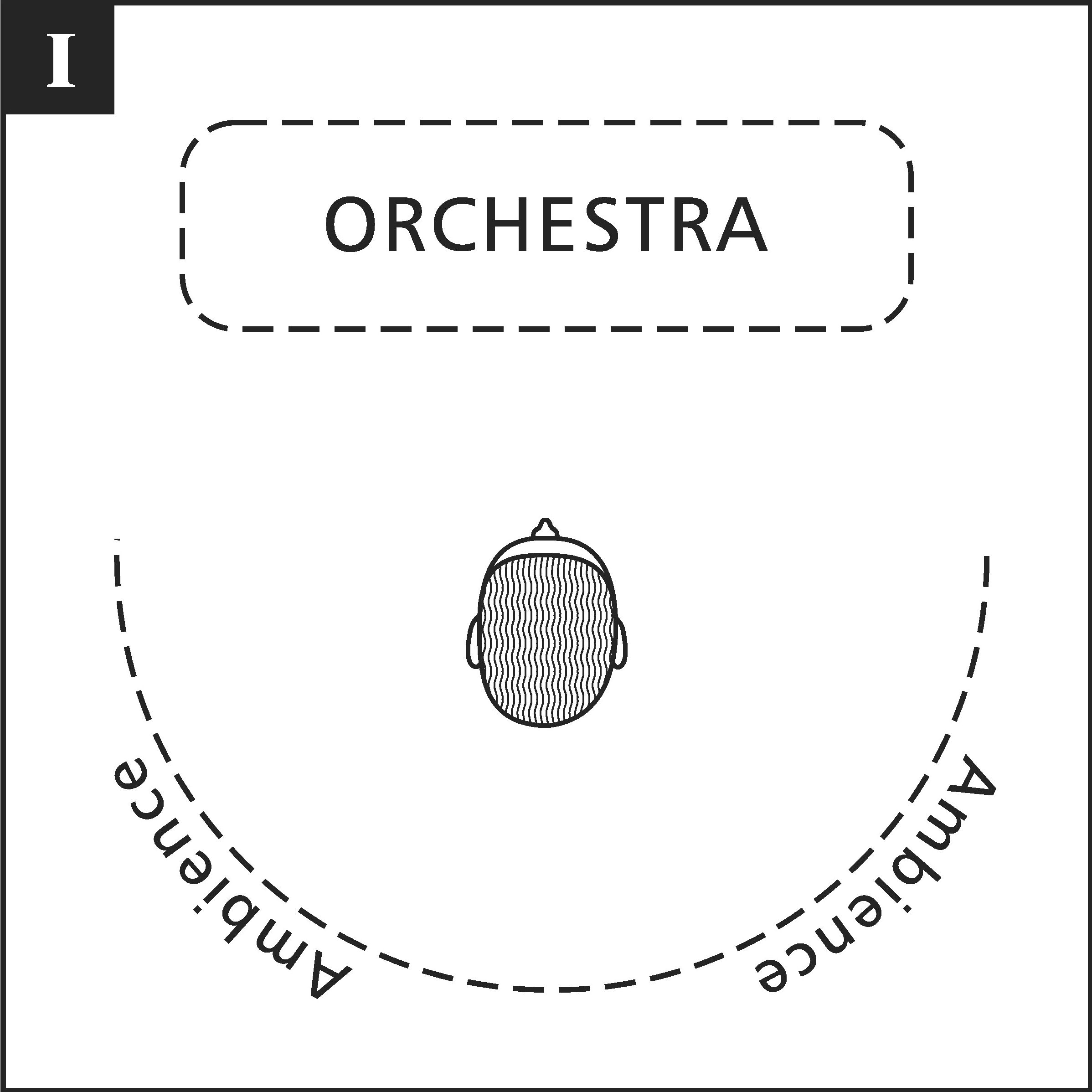
    It is always a pleasure to hear Bach on modern instruments. When the playing is as exquisite and spirited as in these recordings, it is pure joy. The 2000 recordings are, of course, familiar; what is new is the audio format: Tacet now releases them on a Blu-ray Pure Audio, naturally in Real Surround. To make the listening experience even more varied, the surround settings change from concerto to concerto. In BWV 1046, the orchestra is positioned in front of the listener, with only the ambience coming from behind, capturing the wonderful acoustics of the Baroque church in Gönningen where the recordings were made.
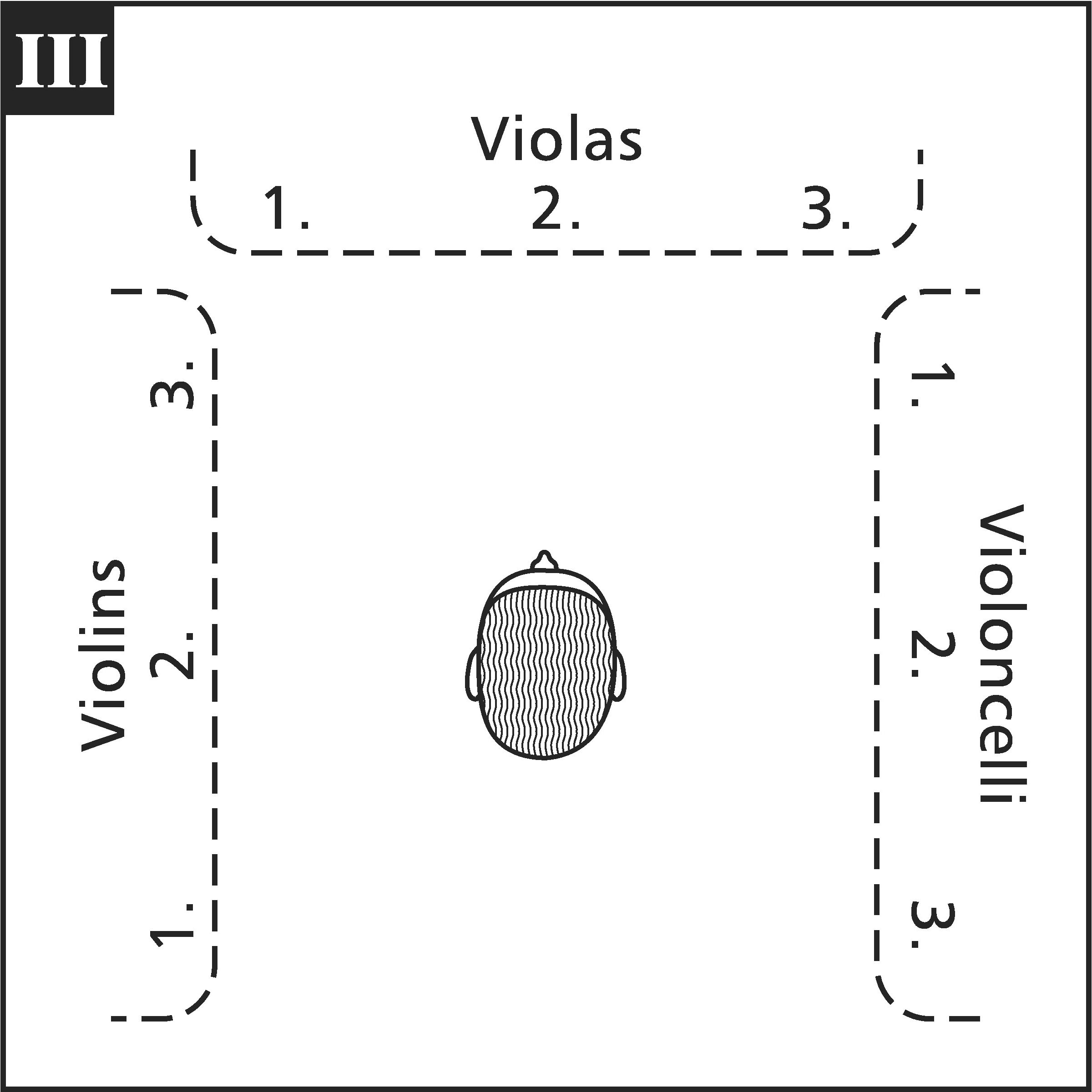
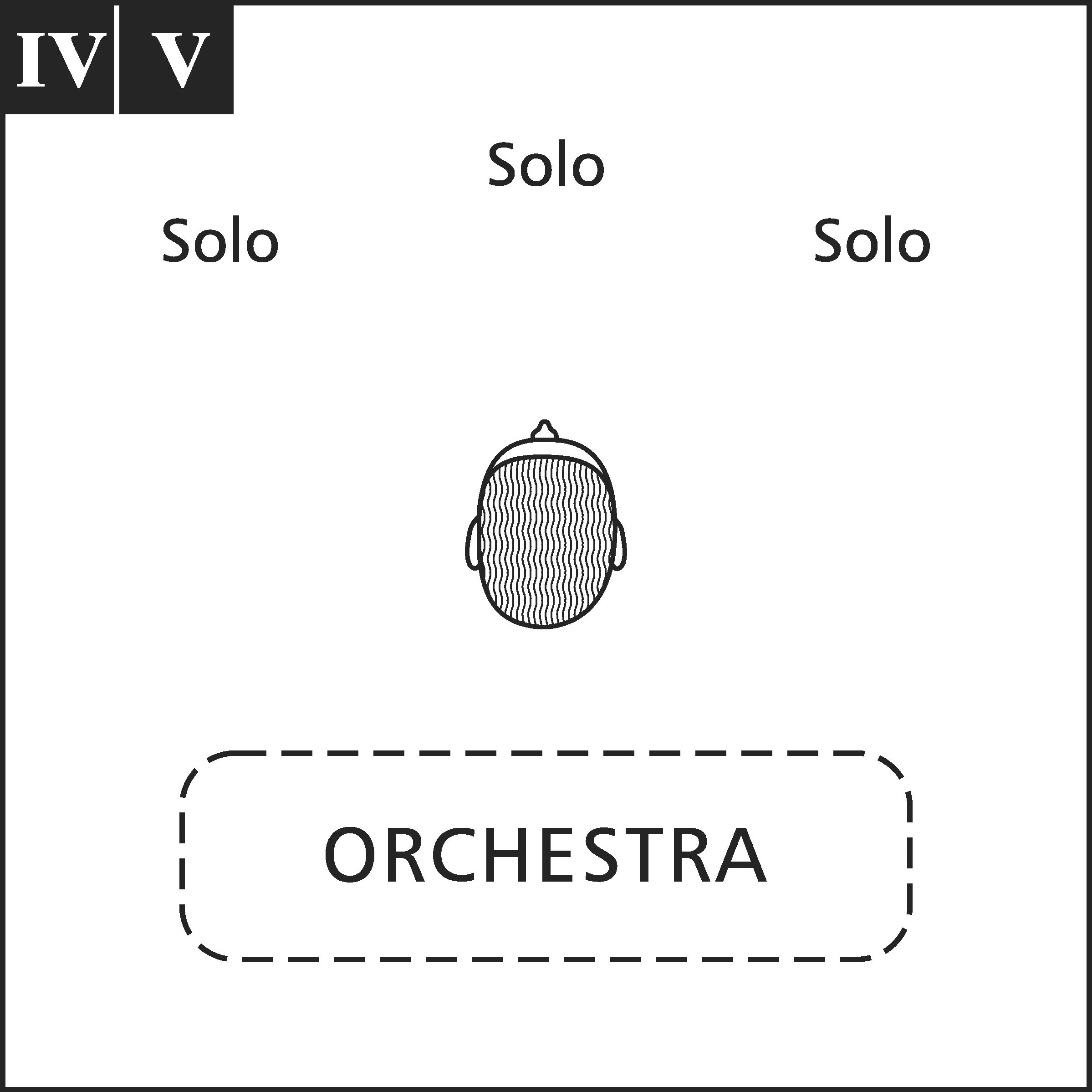
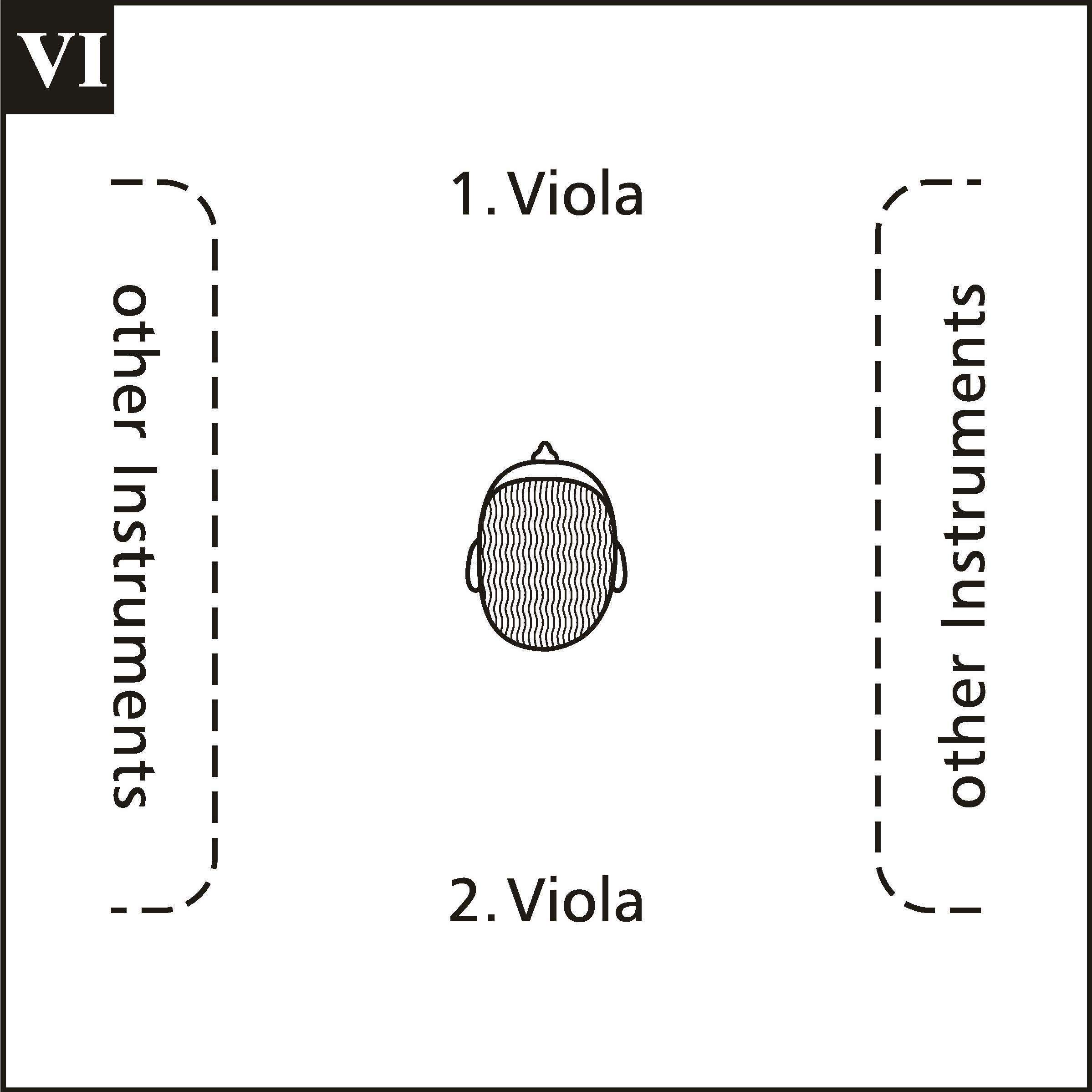
    In BWV 1047, the listener is seated within the orchestra; in BWV 1048, the violins are on the left, the cellos on the right, and the violas in front. In concertos 1049 and 1050, the recording technology places the orchestra behind the listener, with the soloists in front, while in the last of the six works, the solo violas sit in front and behind, the other instruments to the sides. Listening in every case is fascinating. The sound is strikingly clear and rich, even in the bass, and entirely uncolored. Music should always sound this natural, whether it comes from all around or just from the front.

    Remy Franck

    Purchase not verified. Find out more

  4. sa-cd.net

    I have just experienced some joyful playing on modern instruments of one of the greatest collection of orchestral works written. The tempi are not in any way slow (except to those who are now 100% acclimatised to period instruments) and nor is any of the phrasing romantically self-indulgent. The tuning is also of a very high standard and nowhere did I find my sensibilities jarring through bad playing. Instead of piano (as some modern instrument sets used to employ) a harpsichord, tastefully balanced, is given the task of fleshing out No.5 and the continuo role elsewhere, which it does admirably. Almost full marks for the performances on their own terms, although those seeking period instruments had better look elsewhere.

    The sound, whilst beautifully recorded and balanced (in the sense that every instrument can be heard) is much more controversial. As this was recorded as a “Real Surround Sound” issue, each concerto has a different seating arrangement which some (but not me) might feel detract from the musical experience & they are detailed below:
    1 – Normal (orchestra “front”, ambience “rear”)
    2 – The listener is situated in the middle of the ensemble with violin (front L), flute (front R), oboe (rear L) & trumpet (rear R) in the foreground compared to the orchestra
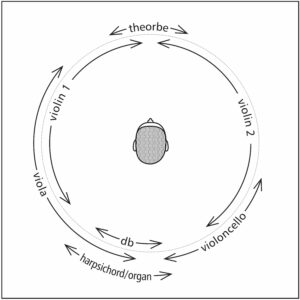
    3 – The violins are on the left, violas in front, celli to the right of the listener
    4 & 5 – The three soloists for each concerto are placed front L, centre & front R with the orchestra seated behind the listener
    6 – The soloists are placed directly in front of and behind the listener with the orchestra split either side.

    Whilst this is certainly a way of hearing it that no-one would ever experience in concert (except as a performer perhaps), once the initial shock has worn off the effect is most pleasing with all details coming naturally to the fore and it is very pleasing to hear all the solo lines so clearly. This is also, in large part, due to the slim-line string forces employed by the Stuttgarter Kammerorchester – 5, 4, 4, 3, 1 – and the magnificent unanimity of ensemble on display which is entirely at the disposal of Bach’s magnificent creations.

    The 2 channel layer adopts the balance from 1 throughout (not that it would be possible to do otherwise!) and is thoroughly beautiful and realistic.

    Highly recommended unless an avid MCH fan & the thought of separate seating arrangements puts you off.
    John Broggio

    Purchase not verified. Find out more

  5. Bangkok Post realtime

    A triumph of surround sound recording
    Whatever the woes of the classical recording industry, listeners can evidently continue to count on small, creative labels to come through with choice new offerings. One such company, the German label Tacet, seems to specialise in the extraordinary, in terms of both performance and recorded sound.

    Some weeks back I wrote admiringly in this column about their discs of keyboard works by J. S. Bach played on the piano by Valentin Koroliov. Many further listenings have intensified my feeling that his recorded accounts of Books I and II of The Well- Tempered Clavier are second to none. Recently I obtained several more Tacet releases, including surround-sound DVD recordings of more music by Bach, a single-disc set of the Brandenburg Concertos and another of the motets. This is the same performance (by Matthias Jung conducting the Saechsisches Vocalensemble) discussed here recently in its stereo version. I have also begun to investigate Tacet′s series of recordings by the Auryn String Quartet, but more about those in a future column.

    The idea of recording the Brandenburg Concertos in surround sound initially struck me as dubious, especially since Tacet had clearly conceived this disc with the idea of demonstrating the technology. Different microphone placements were used for different concertos so that in the First Concerto, for example, a natural perspective is created by placing the entire orchestra in front of the listener with the rear speakers creating ambience. In the Second Concerto the solo violin is front left, the solo flute front right, the oboe back left, and the trumpet back right, with the remaining instruments in the middle. This kind of fiddling with space and balance has produced sonic monstrosities in the past. Long-time listeners will still recall with a groan the ping-pong effects perpetrated by the engineers of early stereo recordings, and the bizarre and unconvincing distortions of normal perspective inflicted on listeners by some of the quadraphonic recordings released during the 1970s. But I had no such feelings of something potentially interesting gone wrong while listening to these Brandenburgs, despite the fact that only one of the six recordings claims to resemble anything that might be heard in a concert setting.

    When listening to the Surround Sound recording of the First Concerto, the notes promise that you are sitting in the wonderful church in the village of Goenningen and listening to the Baroque acoustics. Conditions in that church would have to be ideal indeed for a listener to hear the music with the clarity and warmth that it has in this recording. Everything is clearly and naturally audible, but there is a feeling of perfect balancing and blending that I′ve rarely experienced even in good multi-channel recordings of Baroque music. Given the technology that we have now, I don′t know how it could be improved upon.

    Any illusion of being in a conventional performance space disappears while listening to the other five concertos, but it is replaced by a very different and often thrilling kind of listening experience, that of being surrounded by the musicians as they play. It may sound like the height of artificiality to have the violin, flute, oboe, and trumpet coming at you from four different directions as you listen to the Second Concerto, but the engineers have managed it in a way that creates the illusion that no chilly electronic channeling has been done. There is no feeling that the soloists have been highlighted in the recording process. The music envelops you completely and every player seems positioned naturally in the complex of sound.

    The recordings of the Fourth and Fifth concertos also draw strong attention to the special recording technique Tacet uses for this disc. Both place the soloists in front of and the orchestra behind the listener. I was a little skeptical as the fugal third movement of the Fourth Concerto began, with the two opening voice entries coming from squarely behind me and the sonic space spreading to the front of the room only with the entries of the solo flutes and violin. But my doubts quickly disappeared as the performance continued. The passage following the violin solo, where the texture becomes so busy that the instruments seem to be playing themselves just to express their energy and high spirits, is thrilling when heard in this detail. Once again, despite the configuration of the players there is a real sense of ensemble, and the music gives no impression of being laid out on a dissecting table. It′s alive and very healthy.

    The performances in themselves are terrific. Many listeners may wonder if they really need another recorded set of the Brandenburgs, especially with such gems as those by Pinnock/English Concert, Savall/Le Concert des Nations, and the Akademie fuer Alte Musik Berlin possibly already on their shelves. The answer is: yes, there is always room in any collection for a disc like this one. The Stuttgart Kammerorchester have made many fine recordings of Bach′s music under the baton of Karl Muenchinger, including an Art of Fugue to treasure. Here, it is in leaner, springier and more cleanly focussed form than it was in its Decca days. Benjamin Hudson, who leads them in these performances, favours tempos that are fast but never rushed. The instruments sound like modern ones, but the textures have the clarity of those heard in period instrument performances, so quickly-paced movements can really fly without sounding strained. The final movement of the Third Concerto is taken at an extremely fast tempo, but there is no feeling of the music being rushed; it is just irresistibly exciting.

    The recording of the Fifth Concerto, with the harpsichord in front and the orchestra in back, could have been a disaster if Super Harpsichord, heard in so many recordings of this piece, had appeared here. But the harpsichord used is a delicate-sounding instrument whose sonority is absorbed naturally into the ensemble.

    I played this disc on a Sony DVD player using a Yamaha RX-V740 6.1 surround sound system, the same one I use for DVD movies, and the results were quite stunning.
    Ung-aang Talay

    Purchase not verified. Find out more

  6. Audiophile Audition

    I have been a Brandenburg junkie for ~50years . From my first Westminster LP set with Karl Haas conducting The London Baroque Ensemble, to my favorite Decca recording with the English Chamber Orchestra led by Benjamin Britten, my Brandeburg recordings have been played en chambre, al fresco, and en passant, in auto or on foot. They are an integral part of my essential whistling repetoire- as in the third concerto where I dare to go where no whistler ought – with that trumpet solo.

    This Tacet set achieves yet another level of excellence! Utilizing SACD five channel technology, the listener is presented differing instrumental placements for the various concertos. The first Brandenburg with horns, winds, abd strings finds the orchestra in “standard” position with the rear channels adding ambiance. The second concerto places the listener inside the orchestra. The trumpet is R. rear, the oboe L. rear, the flute R. front, the violin L. front, while the remaining orchestra is arrayed around the listener. The effect is quite thrilling. The voices and counterpoint are so clear. It is as if you are inside of Bach′s brain. And what a brain this is! The insight this technique provides into the interlocking melodies and harmonies is one of the most exciting musical experiences that I have encountered.

    The third concerto finds the violas front, the cellos and violins R and L respectively. Again, the most remarkable clarity is provided; indeed,clarity is the essence of these recordings .In particular the second third and fourth concertos are most effective. I know my Brandenburgs and am astonished by the information available only from these discs.

    The Stuttgart Chamber Orchestra recorded a fine set of Brandenburgs for Decca/London in the 1960s under the direction of Karl Munchinger. It was highly esteemed and remains available at record boutiques.This 2000 Stuttgart recording, without designated conductor, is more idiomatic, more gracefully performed, more spirited and more virtuosic with respect to the soloists′ contributions. Combine these gorgeous performances with the opportunity of literally being inside the 6 Brandenburgs in surround sound and you have a most remarkable listening experience.

    Excitingly recommended! [We reviewed the DVD-Audio version of this not long ago in these same pages. Sonics are similar; the main difference is that in that case all the concertos fit on a single DVD…Ed.]
    Ronald Legum

    Purchase not verified. Find out more

  7. Audiophile Audition

    The Stuttgart performers display a highly attractive balance of authentic performance practice, faster tempi and a generally more fun approach to the concertos. They are aided by cleaner, crisper, higher resolution sonics that really put you into the middle of the performing ensemble. The label′s slogan is Real Surround Sound and they mean it – the surrounds are not limited to subtle hall ambience here at all. This release gives me a much greater appreciation for the DVD-A format than I previously had.
    John Sunier

    Purchase not verified. Find out more

  8. Stereo

    All-round beauty
    The classical label TACET is bringing the first multi-channel DVD productions to market
    It was about time that serious music producers engaged with the aesthetic rethinking required for multi-channel recordings. The often well-founded skepticism toward surround sound—frequently regarded as superfluous or even nonsensical—is widespread among audiophile music fans.
    Sound engineer and TACET head Andreas Spreer sees it differently, and at this year’s HighEnd he presented new multi-channel DVDs intended to counter these reservations. In a special demonstration, STEREO was able to experience the classical producer’s approach to sound. “We work very closely with the score and distribute the orchestra and soloists very carefully around the listener. This creates new perspectives and certainly also a new sonic aesthetic,” Spreer explains. “We now need so-called sound directors who can approach such challenges artistically. Multi-channel is coming anyway. If we don’t develop ways to use this technology meaningfully now, we will leave the field entirely to those chasing effects. That would be a shame.

    Purchase not verified. Find out more

  9. Stereoplay

    On-site at the parish church of Gönningen on the Swabian Alb, famous for its unique acoustics. The classical label Tacet records Bach’s Concerto for Two Violins with the Stuttgart Symphony Orchestra. But not in the usual way. The musicians are arranged around a star-shaped five-channel microphone setup: one group of instruments plays front left, another back right, a third directly in front.
    The result, reproduced on a multi-channel listening system, is initially disorienting: as a music lover raised on stereo, I’m not used to music coming from all four corners. But: I have never felt so close to (studio) music, never has a recording captured the atmosphere of the recording venue so intensely. And this surround sound is also authentic: exactly as Johann Sebastian Bach intended for his work.
    Multi-channel sound has many facets – not without reason did we dedicate a 36-page special issue to this technology. And of course, it has such appeal because the medium, the DVD, impresses with excellent sound and sharp picture. But should we therefore leave the whole field to the “boom-bang” crowd from the movie sector? No. It is time that surround finally sheds its dubious reputation among audiophiles. After all, surround does not mean abandoning long-established high-fidelity cultural values – it is an opportunity: when applied seriously, this technology allows music to be experienced much more intensely than before.
    Fortunately, a group of sound engineers is emerging that actively exploits this new space. They are not working on an alternative to what came before, but on a deepening of the old high-end idea of the most perfect recording possible. This is how we should understand surround – and this is how we should use it.
    Holger Biermann

    Purchase not verified. Find out more

  10. Audio

    One can never get enough of Bach: Tacet’s recording of the Brandenburg Concertos aims to enrich the great Bach catalog. The novelty here is the medium: a DVD-Audio recorded in surround format. Five ensemble arrangements, tailored to the instrumentation, were realized, placing the listener amidst the excellently performing Stuttgart Chamber Orchestra with outstanding soloists. The only remaining question: does the listener really want to sit inside the orchestra?
    Michael Rassinger

    Purchase not verified. Find out more

  11. Fono Forum

    Sound with New Perspectives
    The classical label Tacet is exploring new sonic perspectives for listeners and music producers through audio DVDs. In a special presentation, sound engineer and label head Andreas Spreer demonstrated to the Fono Forum editorial team the creative possibilities offered by multichannel technology.
    Sound with New Perspectives The classical label Tacet is exploring new sonic perspectives for listeners and music producers through audio DVDs. In a special presentation, sound engineer and label head Andreas Spreer demonstrated to the Fono Forum editorial team the creative possibilities offered by multichannel technology. Some might say: It’s about time serious music producers engaged with the aesthetic reordering of multichannel recordings! Among audiophile music fans, there is widespread—and often justified—skepticism about surround sound, frequently dismissed as unnecessary or even nonsensical. For example, MDG producer Werner Dabringhaus rejects conventional 5.1 speaker setups with a center channel and subwoofer as inadequate, instead working with his 2+2+2 system to achieve three-dimensional acoustic spatial capture. Sound engineer and Tacet CEO Andreas Spreer, however, sees things differently. At this year’s High End show, he presented new multichannel DVDs designed to dispel reservations about standard surround setups. In a special preview for Fono Forum, we were able to experience the label’s sonic concepts firsthand.
    “We work very closely with the score, carefully distributing the orchestra and soloists around the listener. This creates new perspectives and certainly a new aesthetic of sound,” explains Spreer. What has long been standard in theater—extending the stage into the audience space—also fascinates this Stuttgart-based sound engineer. “Now we need what you might call ‘sound directors’ who can artistically handle such challenges. Multichannel is here to stay. If we don’t develop meaningful ways to use this technology, we’ll leave the field entirely to the gimmick-makers. That would be a shame.” Everyone can decide for themselves what—or who—that refers to. According to Spreer, what’s needed is a new studio profession: the “sound director”, who, like their theater counterpart, should bring their own modern interpretive vision to the table. “Only when the score allows it, and when the director has the artistic sensitivity to develop an interesting acoustic perspective, do multichannel recordings make sense,” Spreer adds. “For a chamber music piece, this naturally looks very different than for a symphony or a solo work.”
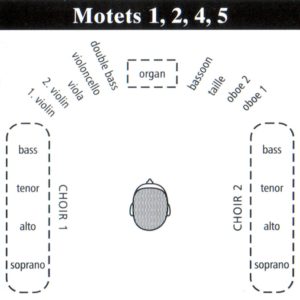
    He demonstrated what he means using recent Tacet productions. The approach is still relatively restrained in the Bach motets, where the listener is positioned between the two choirs—exactly where conductor Matthias Jung stood during the recording. It becomes far more imaginative—and partly justified by the composition’s structure—in Mendelssohn’s and Schubert’s chamber music, where the listener finds themselves, as in the experimental quadrophonic era, right in the middle of the performing circle. The effect is entirely surreal in Schubert’s Impromptus, which primarily sound from behind. Spreer’s instruction: “Imagine you’re driving in a car and hearing this music behind you.” Unjustifiable interference or playful perspective? “That’s for the listener to decide,” says Spreer. “Our task is to create new listening spaces with technologies that many consumers already have access to. We’re only at the beginning.”
    Udo Pipper

    Purchase not verified. Find out more

Add a review